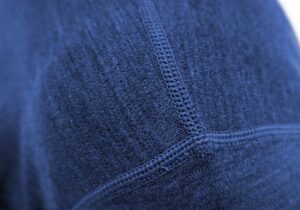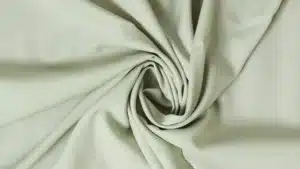
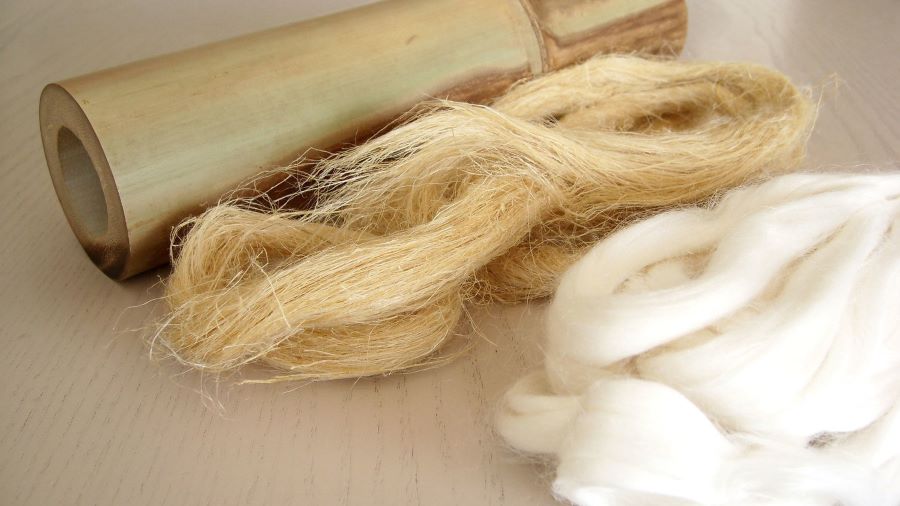
Bamboo fabric is a cloth made from bamboo plant fibers. It feels very soft and nice when you touch it. Many people pick bamboo because it is good for the earth and kind to your skin.
You might like bamboo fabric for many reasons:
It is soft, so people buy it again, especially for sheets.
It pulls sweat away, so you stay dry in sports clothes.
It fights germs, so people want it for clean underwear.
It is strong, so your clothes last long and keep their shape.
Key Takeaways
Bamboo fabric feels soft and lets air pass through. It does not cause allergies, so it is good for sensitive skin.
Pick bamboo fabric made by machines for a more natural choice. This way uses fewer chemicals and is better for the planet.
Bamboo grows fast and does not need much water. This makes it a green fabric that helps fight climate change.
Check for labels like Oeko-Tex and GOTS. These show the bamboo fabric is safe and made in a good way.
Bamboo fabric pulls sweat away from your skin. It keeps you cool and dry, so it works well for sports clothes and bedding.
What Is Bamboo Fabric
Definition of Bamboo Fabric
You can find bamboo fabric in lots of stores now. This cloth comes from bamboo plant fibers. There are three main types you can buy.
Bamboo viscose feels like other viscose fabrics. It does not keep all the natural bamboo benefits.
Lyocell-type bamboo fabric uses a closed-loop process. This helps the fabric keep more good things from bamboo.
Mechanically-produced fine bamboo fiber is true bamboo fabric. It is strong, soft, and lasts a long time.
Here is a table showing the main materials used to make bamboo fabric:
Raw Material | Description |
|---|---|
Bamboo | The main material used to get cellulose. |
Cellulose | Taken from bamboo and used to make fabric. |
Chemical Solvents | Used in some ways to process bamboo. |
Mechanical Processes | Other ways to process bamboo without bad chemicals. |
Tip: Pick mechanically-produced bamboo fabric for the most natural choice. This kind keeps the plant’s strength and softness.
Origins and Popularity
You might wonder when bamboo fabric became popular.
The first bamboo textile patents came out in 1864.
Bamboo fabric started to be used a lot in the early 2000s.
Many countries make and use bamboo fabric. The table below shows the biggest ones:
Country | Production Volume (Annual) | Key Regions |
|---|---|---|
China | 30 million tons | Fujian, Zhejiang, Sichuan, Jiangxi |
India | 3-4 million tons | Northeastern states, Madhya Pradesh |
Indonesia | Over 2 million hectares | Java, Bali, Nusa Tenggara, Kalimantan |
Vietnam | Over 800,000 hectares | Not specified |
China makes the most bamboo in the world. India, Indonesia, and Vietnam also make a lot. Bamboo fabric is found in many homes and stores because it is soft, strong, and good for the earth.
Bamboo Fabric Manufacturing Process
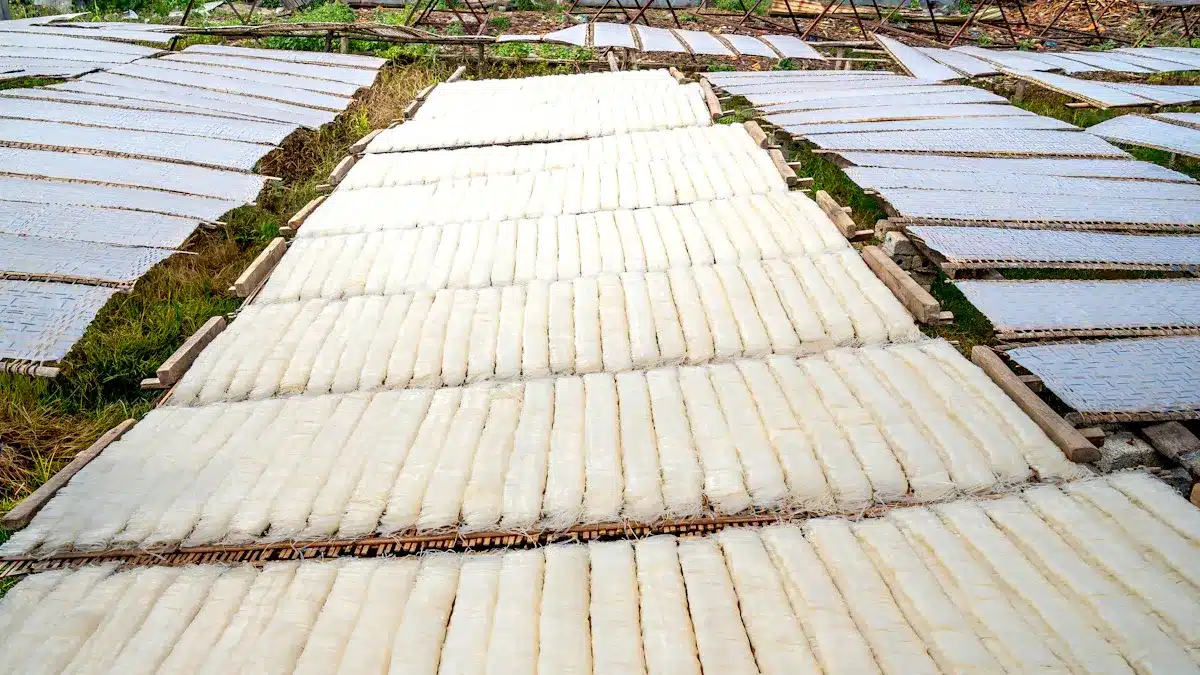
Have you ever wondered how bamboo fibre becomes soft fabric? There are two main ways to make bamboo fabric. These are mechanical and chemical methods. Each way makes a different kind of bamboo fibre. Each method also affects the earth in its own way.
Mechanical Process
The mechanical process is a natural way to make bamboo fibre. Workers use machines and natural enzymes to break bamboo stalks. Here are the steps:
Preliminary Processing: Workers cut and crush bamboo stalks. This helps get cellulose and makes a rough pulp.
Fiber Extraction: The pulp is mixed with natural enzymes. These enzymes help turn the pulp into bamboo fibre. The fibre can be spun into yarn.
This process does not use strong chemicals. The bamboo fibre stays strong and soft. It keeps many natural features of bamboo. The mechanical method uses less water and energy. But it takes more time and hard work. This type is often called bamboo linen.
Note: For the most natural bamboo fabric, pick products made with the mechanical process.
Chemical (Viscose) Process
The chemical process is also called the viscose process. Factories use chemicals to change bamboo into bamboo fibre. They use solvents like sodium hydroxide and carbon disulfide. This makes bamboo viscose, which feels smooth and silky.
Studies show carbon disulfide can cause health problems. It may cause brain and nerve issues. It can raise the risk of heart disease. It can hurt organs like the liver and kidneys. In North America, rules do not require testing for carbon disulfide in clothes. This includes baby clothes. This makes people worry about health risks.
The chemical process uses more water and energy than the mechanical way. It also makes more waste and pollution because of the chemicals.
Process Comparison
You can look at both ways to see how they affect the earth and the bamboo fibre.
Feature | Mechanical Process (Bamboo Linen) | Chemical Process (Bamboo Viscose) |
|---|---|---|
Chemicals Used | Minimal, mostly enzymes | Harsh solvents, multiple baths |
Waste Produced | Very little | High, due to chemical runoff |
Water & Energy Use | Low | High |
Fiber Quality | Strong, natural, durable | Soft, silky, less natural |
Environmental Impact | Small footprint | Large footprint |
Mechanically processed bamboo fabric uses few chemicals and makes little waste. It uses machines and enzymes.
Chemically processed bamboo viscose uses many chemicals and makes more pollution. It has a bigger impact on the earth.
Bamboo lyocell is a better choice for the earth. It uses a closed-loop system. This system recycles solvents and cuts down on waste.
The way bamboo fabric is made changes the earth and the fibre quality. If you care about the earth, pick bamboo linen or bamboo lyocell.
Types of Bamboo Textiles
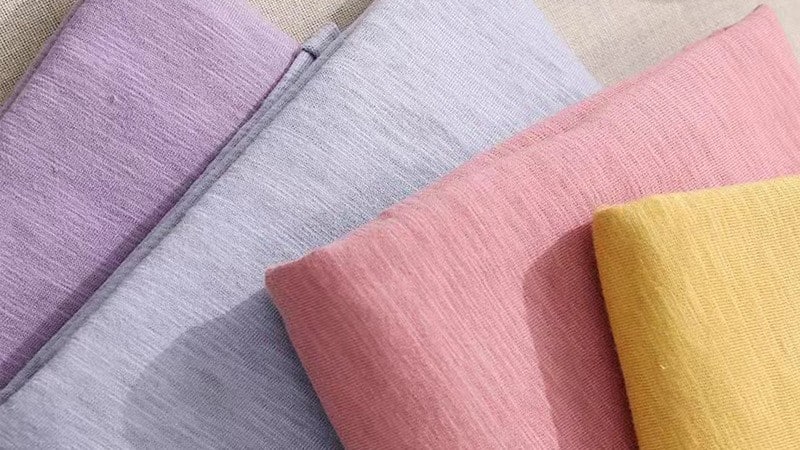
When you shop for bamboo textiles, you will see three main types. Each type uses bamboo fibers in its own way. The way they are made changes how the fabric feels. It also changes how it affects the earth.
Bamboo Viscose
Bamboo viscose is the most popular type. More than 80% of bamboo textiles use this method. It makes up over 70% of all bamboo fabric sold. Factories use strong chemicals to make bamboo fibers into soft yarn. The fabric feels like cotton and looks shiny like silk.
Here is a table that shows how bamboo viscose compares to other bamboo textiles:
Characteristic | Bamboo Viscose | Other Bamboo Textiles |
|---|---|---|
Softness | Feels like cotton | Varies |
Appearance | Looks like silk | Varies |
Breathability | Yes | Varies |
Anti-static | Yes | Varies |
Hypoallergenic | Yes | Varies |
Durability | Very durable | Varies |
Environmental Impact | Depends on manufacturer | Varies |
Tip: If you want the softest and strongest bamboo fabric, pick 100% bamboo viscose. Always check if the company uses safe and green methods.
Bamboo Lyocell
Bamboo lyocell uses a safer way to make fabric. Factories use a non-toxic solvent. They recycle almost all water and chemicals. This closed-loop system makes less waste and pollution. You get bamboo textiles that are gentle on your skin. They are also better for the earth.
Here is a table that compares bamboo viscose and bamboo lyocell:
Aspect | Bamboo Viscose | Bamboo Lyocell |
|---|---|---|
Chemical Usage | Harsh chemicals (NaOH, CS2) | Non-toxic solvent (NMMO) |
Process Type | Open-loop (pollution risk) | Closed-loop (minimal waste) |
Solvent Recovery | Low | 99%+ |
Worker Safety | Potential health hazards | Safer working environment |
Water & Energy Usage | High | Low |
Choosing bamboo lyocell helps the earth. The process keeps bamboo fibers strong and soft.
Bamboo Linen
Bamboo linen uses machines to make the fabric. Workers chop, boil, and treat bamboo stalks to get the fibers. This method makes a light and airy bamboo material. You feel the natural softness and germ-fighting features. Some chemical treatments may be used. This can change how safe and green the fabric is.
Note: Bamboo linen gives you a fabric that lasts long and feels fresh. You help the planet when you pick this type.
You can choose from these bamboo textiles based on what you need. Each type uses bamboo fibers in a special way. You get different textures, strength, and earth-friendly features with each bamboo material.
Features and Benefits of Bamboo
Softness and Comfort
Bamboo fabric feels very soft when you touch it. Many people think it is smoother than cotton. It is also lighter and lets air pass through. This makes bamboo fabric comfortable to wear. The texture is like silk or cashmere. People like bamboo for sheets and pajamas. It is good for people with sensitive skin.
Most people say bamboo fabric is very comfortable. Surveys show people love how soft it is. They also like that it does not cause allergies. The National Eczema Society says bamboo is good for skin problems. You can wear bamboo fabric without worrying about skin irritation.
Tip: Bamboo fabric is a great choice if you want soft clothes.
Breathability and Moisture-Wicking
Bamboo fiber lets air move through easily. This helps you stay cool. The fabric pulls sweat away from your skin. It dries fast, so you feel fresh. Bamboo works better than cotton or polyester for keeping you dry.
Here is a table that shows how bamboo compares to other fabrics:
Fabric Type | Moisture Absorption (%) | Wicking Time (sec) | Drying Time (min) | Comfort Rating |
|---|---|---|---|---|
Bamboo Viscose | 13–15 | 3 | 30 | ★★★★★ |
Cotton | 7–8 | 6 | 45 | ★★★★ |
Linen | 8–10 | 5 | 40 | ★★★★ |
Polyester | 0.4 | 2 | 20 | ★★ |
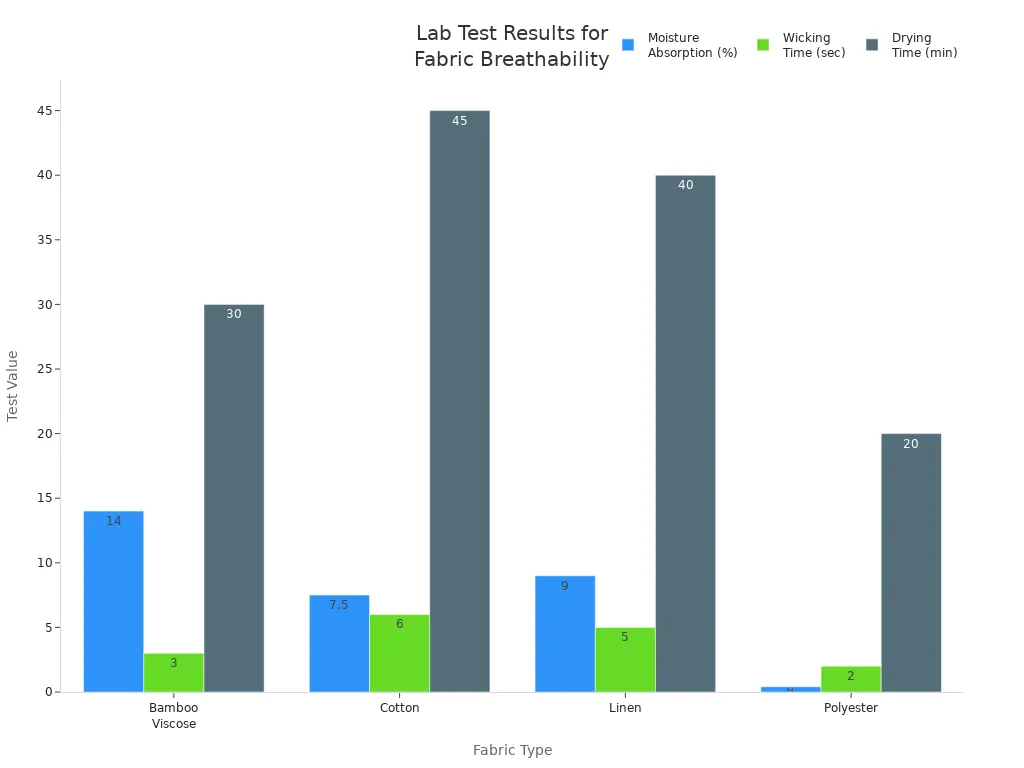
Bamboo fabric keeps your skin dry and cool. Polyester traps heat and sweat, so you may feel sticky. Bamboo helps you sleep cooler at night.
Bamboo fabric pulls sweat away from your skin.
You stay cool and dry, even when you sweat.
Polyester holds sweat, which can make you uncomfortable.
Hypoallergenic and Biodegradable
Bamboo fiber is hypoallergenic. This means it does not cause skin problems for most people. You can wear bamboo clothes if you have allergies. Bamboo fights germs and keeps your clothes fresh.
Bamboo is also biodegradable. It breaks down faster in landfills than cotton or polyester. Here is a table that shows how long each fiber takes to break down:
Fibre Type | Timeline (Landfill) |
|---|---|
Bamboo | 3–5 years |
Cotton | 5–10 years |
Polyester | 200–500 years |
Choosing bamboo fabric helps the planet. The fiber goes back to the earth quickly. Synthetic materials take much longer to break down. Bamboo’s germ-fighting and quick breakdown make it a smart and green choice.
Note: Bamboo is a top pick for comfort, health, and helping the earth.
Environmental Impact and Certifications
Sustainability of Bamboo
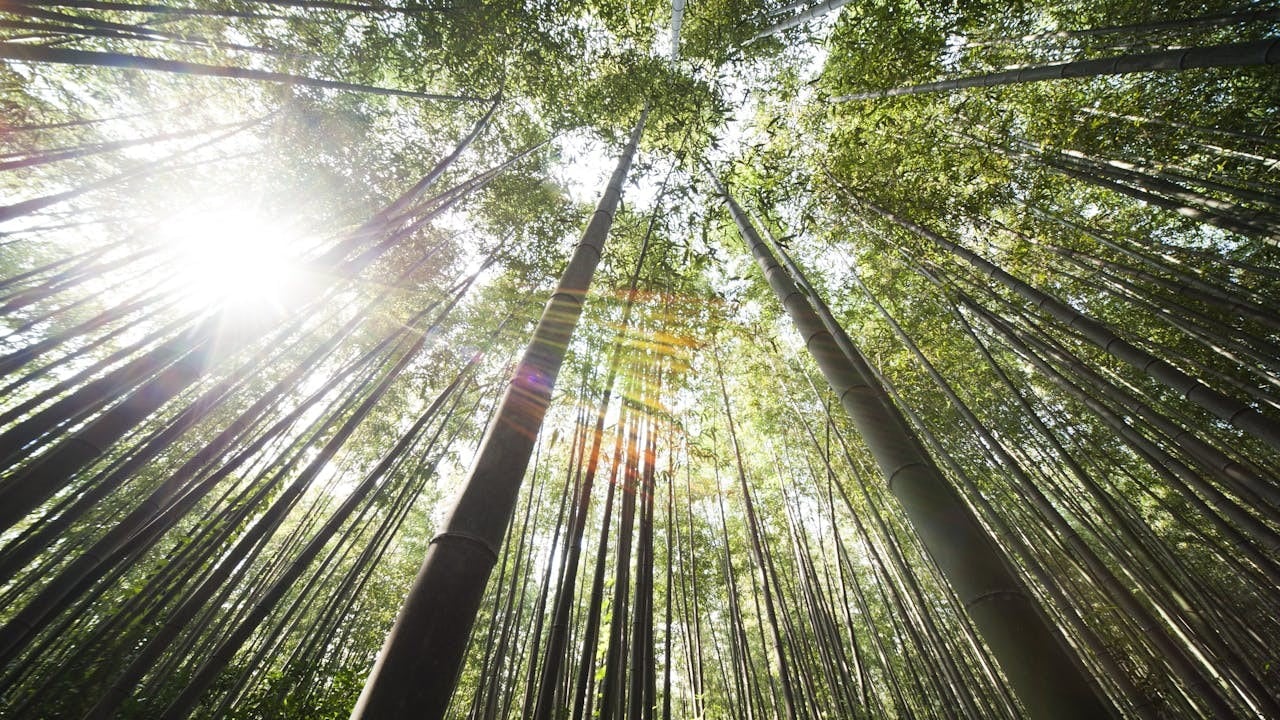
Bamboo is one of the most earth-friendly fabrics. It grows very fast, sometimes up to 3 feet each day. You can cut bamboo, but the plant keeps growing. This helps the environment. Bamboo is ready to use in just 3 to 5 years. Hardwood trees take much longer to grow. Bamboo does not need pesticides or chemical fertilizers. It grows well with little water and in many places. The roots stay in the ground after cutting. This stops soil from washing away and makes the soil better. Bamboo also takes in carbon from the air. This helps fight climate change.
Bamboo grows back after you cut it.
It is ready to use in a few years.
It needs less water than cotton.
No need for pesticides or chemical fertilizers.
Roots help stop soil from washing away.
Bamboo helps take carbon out of the air.
Eco-Friendliness of Production
It is important to know how bamboo fabric is made. Some factories use chemicals like sodium hydroxide and carbon disulfide. These chemicals can hurt workers and the earth. People may get skin or breathing problems. Chemical processing uses more energy and makes more pollution. Some top factories now recycle water and solvents. This makes less waste and is better for the earth. Some brands mix bamboo with organic cotton and reuse materials. This helps save money and lowers pollution.
Manufacturer | Eco-Friendly Practices |
|---|---|
Bamboo Textile | Uses closed-loop systems, makes less waste, and shares how they make and certify products. |
Various Brands | Recycles water and solvents, mixes bamboo with organic cotton, and reuses materials. |
Tip: Pick bamboo fabric from brands that recycle water and solvents for a greener choice.
Certifications
You can look for special labels to make sure bamboo fabric is really earth-friendly. These labels show the fabric is safe and made with care for the planet.
Certification Name | Description |
|---|---|
Ecocert Organic Certification | Checks that bamboo is grown and made organic all the way. |
GOTS | Sets world rules for safety and tracking the fabric. |
Oeko-Tex Standard 100 | Tests finished bamboo fabric for harmful chemicals. |
Organic Content Standard (OCS) | Checks how much of the product is organic. |
Forest Stewardship Council (FSC) | Makes sure bamboo comes from forests that are well cared for. |
Look for Oeko-Tex, OCS, and FSC labels when you buy bamboo fabric that is good for the earth.
You learned how bamboo fabric is made and why it stands out. Bamboo grows fast and needs little care. You get soft, breathable, and hypoallergenic textiles. Choosing bamboo helps the planet and gives you comfort.
Try bamboo sheets or clothes for a better experience.
Make a smart choice for your home and the earth. Pick sustainable fabrics and help shape a greener future.
FAQ
What makes bamboo fabric eco-friendly?
You help the planet when you choose bamboo fabric. Bamboo grows fast and needs little water. Farmers do not use pesticides. The plant keeps growing after harvest. You support cleaner air and healthier soil.
Can you wash bamboo fabric in a washing machine?
You can wash bamboo fabric in cold water with gentle detergent. Use the delicate cycle. Avoid bleach and fabric softeners. Air dry or tumble dry on low. This keeps your bamboo clothes soft and strong.
Does bamboo fabric cause allergies?
You stay safe with bamboo fabric. The fibers are hypoallergenic. They do not irritate sensitive skin. Many people with allergies or eczema wear bamboo clothes without problems.
How long does bamboo fabric last?
You get durable fabric when you pick bamboo. Bamboo fibers resist wear and tear. Clothes and sheets keep their shape after many washes. You enjoy comfort and strength for years.
Is bamboo fabric good for hot weather?
You stay cool in bamboo fabric. The fibers let air flow. The fabric pulls sweat away from your skin. You feel fresh and dry, even on warm days.