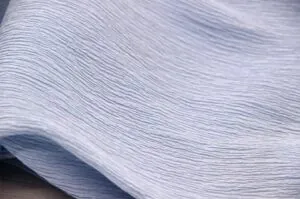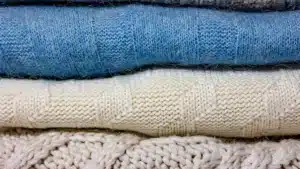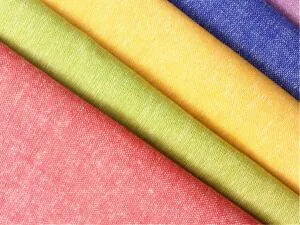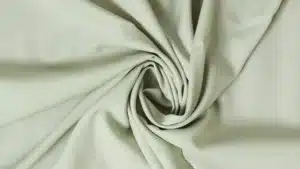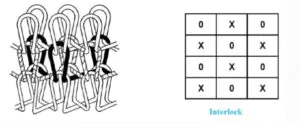
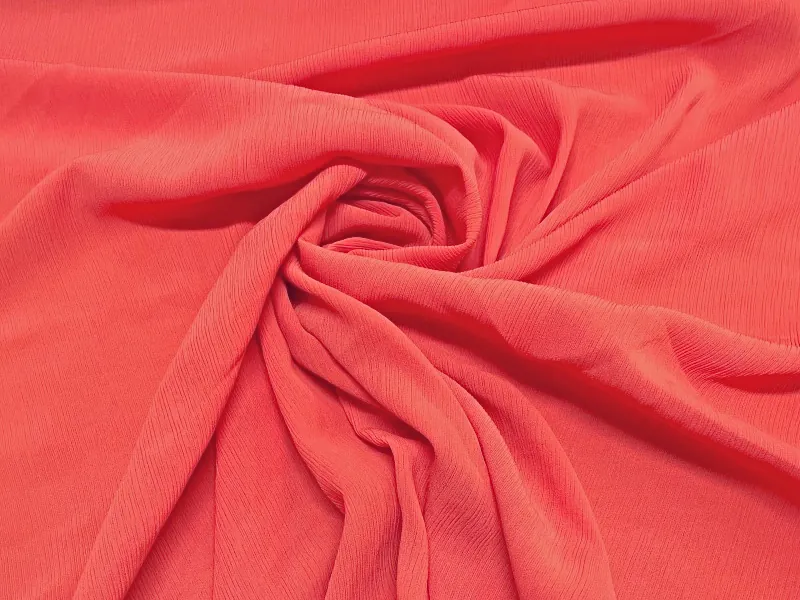
Muslin fabric is a soft and light cotton cloth. It has a loose and plain weave. Muslin feels smooth when you touch it. It lets air pass through easily. It also soaks up water fast. Experts say muslin is special because of its simple weave. It is lighter than most other cotton fabrics. Here is how muslin compares:
Feature | Muslin Fabric | Cotton Fabric (General) |
|---|---|---|
Weave | Plain, loose | Plain, twill, knit, etc. |
Weight | Lightweight | Light to heavy |
Breathability | High | Variable |
Key Takeaways
Muslin fabric is light, soft, and lets air pass through. This makes it great for summer clothes and baby things.
Muslin has different types, like gauze and sheeting. Each type works well for clothes, crafts, or home decorations.
Muslin is good for the environment and can be used again. It helps cut down on waste and is safe for sensitive skin.
You should wash muslin gently and let it dry in the air. This keeps muslin soft and helps it last longer.
Muslin can be used for many things, like fashion or kitchen jobs. This makes muslin a smart fabric to pick.
What Is Muslin Fabric?

Many people wonder what is muslin fabric. It is used a lot in daily life. Muslin fabric is a plain-woven cotton cloth. It is lightweight and feels soft. The weave is loose, so it feels airy. When you touch muslin, it feels smooth. People like muslin fabric because it lets air pass through. It also soaks up water well. Muslin fabric is used in clothing, crafts, and kitchens.
Origins and History
Muslin fabric has a long history. The name "muslin" comes from Mosul, a city in Iraq. People in Mosul made muslin fabric long ago. They traded it with other countries. Muslin fabric was once a luxury item. Over time, it became common and used by many people.
The Bengal region in South Asia became famous for muslin. Dhaka, now in Bangladesh, was the center for muslin trade. Traders from Europe and Asia came to buy muslin fabric. In the 18th century, muslin was popular in France. It spread to other Western countries.
Region | Notable Centers | Quality/Variety |
|---|---|---|
Bengal | Sonargaon, Shantipur, Murshidabad | Dhaka Muslin, Shantipuri Muslin |
Malda | Radhanagar, Burdwan | Varieties including jamdani |
Historical Context | Mughal Bengal as the foremost exporter | 17th-18th centuries, Dhaka as trade capital |
Bengal was the main place for making muslin.
Dhaka was the center of muslin trade in the Mughal era.
Muslin became popular in France and the Western world.
Today, muslin fabric is still important in many cultures. People like muslin for its soft feel, light weight, and many uses.
How Muslin Fabric Is Made
Muslin fabric starts with cotton. Cotton gives muslin its soft and airy feel. Cotton muslin is the most common type. It is light and lets air move through. Organic muslin uses cotton without chemicals. It is gentle on skin and good for the environment.
Here are the main steps for making muslin fabric:
Carding the Cotton: Workers line up and separate cotton fibers.
Spinning the Yarn: They spin the fibers into yarn.
Weaving the Fabric: Yarn is woven in a simple pattern.
Washing and Bleaching: The fabric is washed and sometimes bleached.
Quality Control and Inspection: Experts check the fabric for problems.
Tip: If you want to use muslin fabric, look for cotton muslin or organic muslin at the store. These types are easy to use and safe for many things.
Muslin fabric is still popular today. Its simple weave, soft feel, and easy care make it a favorite for many people.
Characteristics of Muslin Fabric
Texture and Appearance
When you touch muslin, it feels soft and smooth. The loose weave makes muslin gentle and different from other cotton fabrics. Muslin has a matte finish and looks a little see-through. This makes muslin light and airy. Muslin does not shine, so it looks simple and natural.
Here is a table that shows how muslin compares to other fabrics in texture and appearance:
Fabric Type | Texture Characteristics | Visual Appearance |
|---|---|---|
Muslin | Lightweight, soft, breathable | Slightly sheer, airy, matte finish |
Poplin | Tighter weave, smoother surface | Polished, formal look |
Chiffon | Delicate, floaty | Sheer, ethereal drape |
Taffeta | Crisp, structured | Holds shape, creates volume |
Textile experts check three things to see how soft muslin is. First, the tightness of the weave changes how soft muslin feels. A tighter weave makes muslin softer. Second, the thread count matters for smoothness and strength. More threads make muslin feel better. Third, the weight of the fabric changes the softness. Lighter muslin feels softer and hangs nicely.
Muslin's soft and smooth feel makes it good for many projects. You can use muslin for clothes, crafts, and art.
Note: If you want a fabric that feels gentle on your skin, muslin fabric is a great choice. Its soft and smooth texture makes it comfortable for everyday use.
Breathability and Absorbency
Muslin is known for being breathable. The loose weave lets air move through easily. This keeps you cool and comfy. Muslin does not hold heat, so it is great for hot weather.
Scientists test how much air goes through muslin. These tests show muslin lets in more air than other cotton fabrics. Muslin's breathability helps keep your skin cool and fresh. If you have sensitive skin, muslin is a good pick because it lets your skin breathe.
Muslin also soaks up water well. Tests show muslin can pull sweat and moisture away from your skin. This keeps you dry, even when it is warm. Cotton muslin absorbs water fast, so it is good for towels, baby items, and kitchen cloths.
Muslin is light and lets air move, so it is good for hot places.
The loose weave helps air flow and stops heat from building up.
Muslin keeps you comfy in humid weather and pulls moisture away.
Tip: If you need a fabric for summer clothes or baby blankets, choose muslin. Its breathable characteristics and high levels of absorbency keep you comfortable.
Weight and Versatility
Muslin comes in different weights. You can choose the best one for your project. Muslin's weight is measured in GSM, which means grams per square meter. Here is a table that shows the typical weight range and best uses:
Type | Weight (GSM) | Best Applications |
|---|---|---|
Lightweight | 60-100 | Draping, baby products, linings |
Medium Weight | 100-150 | Pattern making, quilting, garments |
Sheeting | 200-300 | Theater backdrops, upholstery, curtains |
Muslin is easy to work with because it is light. You can cut, sew, and shape muslin without any trouble. This makes muslin great for fashion, crafts, and home projects.
Aspect | Contribution to Industries |
|---|---|
Breathability | Ideal for garments and textiles in warm climates |
Softness | Enhances comfort in clothing and home textiles |
Ease of handling | Facilitates use in crafts and various applications |
Muslin is useful and does not cost much. You can use it for pattern making, quilting, baby items, and even theater sets. Muslin’s mix of low price, many uses, and helpful features makes it popular at home and in businesses. You see muslin in fashion, home goods, and art.
Callout: Muslin fabric's lightweight nature lets you use it for many different purposes. You can create clothing, crafts, and home goods with ease.
Muslin’s soft feel, breathability, absorbency, and light weight make it a favorite for many things. You can count on muslin for comfort, style, and usefulness.
Types of Muslin
There are many types of muslin fabric. Each type has special features. You can use them for different things in your life.
Gauze Muslin
Gauze muslin is soft and light. It has a loose weave. You can see through it a little. People use gauze muslin for baby wraps. It feels gentle on skin. The table shows its main features:
Type | Weave Density | Common Use | Feel | Opacity |
|---|---|---|---|---|
Gauze Muslin | Loose | Baby wraps, swaddles | Soft, airy | Semi-sheer |
Tip: Pick gauze muslin if you want a light fabric. It is good for sensitive skin and lets air pass through.
Mull Muslin
Mull muslin is thin and delicate. It can be made from cotton or silk. The weave is fine and smooth. Mull muslin is great for dress lining. It is also used for testing patterns. This type feels softer than others. Use mull muslin when you need a gentle and light fabric.
Swiss Muslin
Swiss muslin is fancy and light. It has tiny dots or patterns. People use Swiss muslin for summer clothes. It is also good for curtains. Swiss muslin makes clothes look nice. It helps you stay cool when it is hot.
Note: Swiss muslin is a good choice for stylish clothes. It also works well for home décor and keeps you comfortable.
Sheeting Muslin
Sheeting muslin is the thickest type. It is strong and lasts a long time. People use it for bedding and curtains. It feels rougher than other muslin types. Sheeting muslin is good for things that need to be tough. The table shows its main features:
Characteristic/Use | Description |
|---|---|
Heaviness | Sheeting muslin is thick and strong. |
Texture | It feels rough and is good for upholstery. |
Durability | It can be washed and used many times. |
Applications | Used for home décor, bedding, curtains, and table linens. |
Soft texture makes it nice for bedding and pillows.
Lets light come through when used for curtains.
Light weight makes it easy to use for tablecloths.
Muslin fabric gives you many options. You can pick the type that fits your needs. Muslin works for babies, clothes, and home items. There is a muslin type for every use.
Uses of Muslin Fabric
Clothing and Fashion
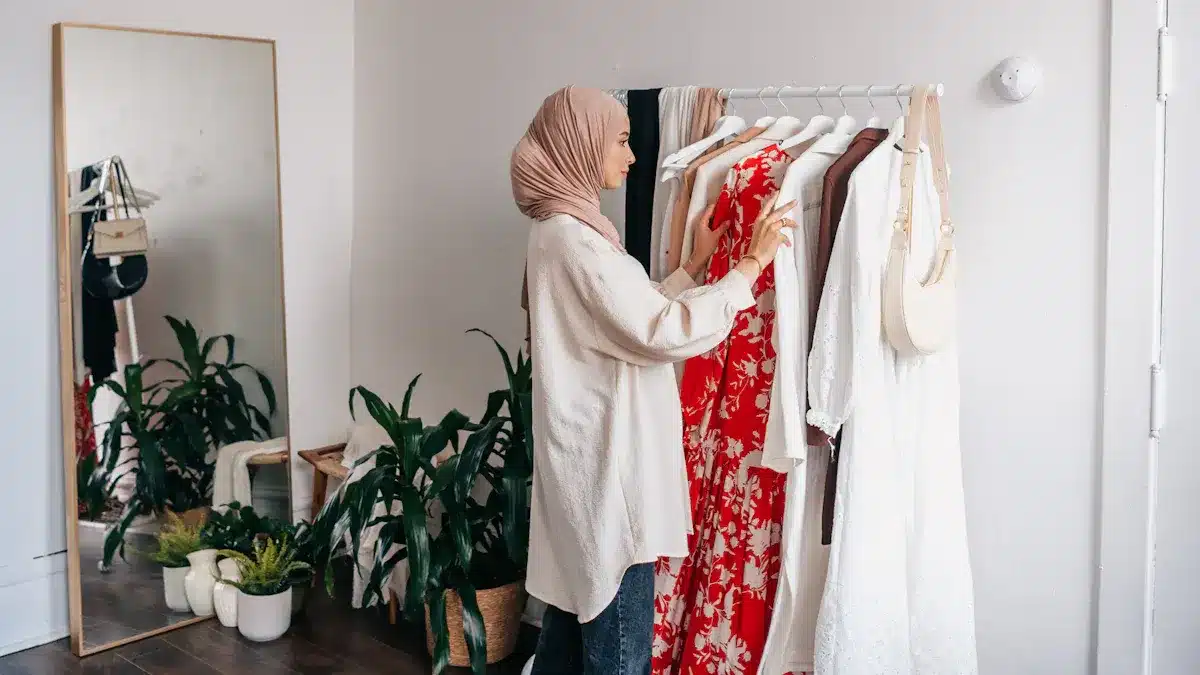
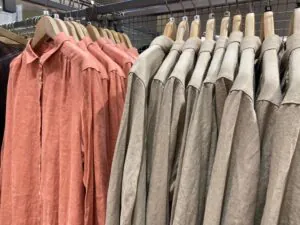
You will find muslin fabric in many types of clothing. People choose muslin for its lightweight and breathable qualities. This fabric feels soft against your skin, which makes it perfect for summer. You can wear muslin blouses, dresses, skirts, tunics, and shirts. These clothes keep you cool and comfortable on hot days. Many designers use muslin cloth to make patterns before sewing the final garment. The fabric’s softness and ease of movement help you enjoy casual and relaxed outfits.
Tip: If you want clothes that feel light and airy, try garments made from muslin fabric. You will notice the difference, especially in warm weather.
Home and Kitchen
Muslin cloth works well in your home and kitchen. You can buy it at a low price, often for just a few dollars per yard. You do not need to sew it; you can tear it into the size you need. Muslin is washable and reusable, so you save money and reduce waste. In the kitchen, you can use muslin for straining liquids, making cheese, or squeezing water from vegetables. It keeps unwanted bits out of your food and makes cooking easier.
Easy to cut or tear to size
Washable and reusable
Great for straining and filtering
Useful for making cheese and other recipes
Arts and Crafts
You can use muslin fabric for many arts and crafts projects. Crafters like muslin because it is lightweight, soft, and easy to work with. You can dye, paint, or print on muslin to create custom designs. Muslin is also eco-friendly when made from organic cotton. You will find muslin backdrops and muslin backdrop options in photography and theater. These backdrops are easy to hang and move. Muslin fabric is affordable, so you can use it for large projects or experiments.
Lightweight and easy to handle
Soft and comfortable for crafts
Customizable with dyes and paints
Eco-friendly and reusable
Perfect for muslin backdrops in art and photography
Baby Products
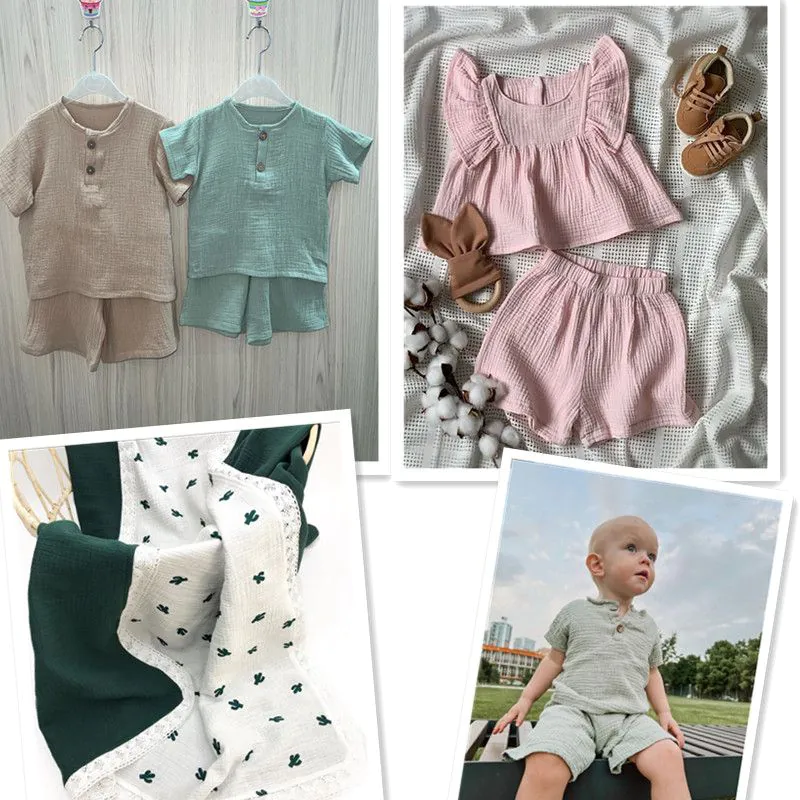
Muslin fabric is a top choice for baby items. You want your baby to feel safe and comfortable. Muslin is soft, light, and breathable, which helps keep your baby cool. The gentle touch of muslin cloth does not irritate sensitive skin. Many parents use a muslin baby wrap or a muslin swaddle blanket for newborns. These products help babies sleep better and feel secure.
Note: When you choose muslin for your baby, you give them comfort and care with every touch.
Muslin vs. Other Fabrics
Muslin vs. Cotton
You might wonder how muslin compares to regular cotton. Both come from the same plant, but they feel and look different. Muslin uses a plain and loose weave, which makes it lighter and more breathable than most cotton fabrics. You will notice that muslin feels softer and airier. Regular cotton can be thick or thin, depending on the weave. You often see cotton in t-shirts, sheets, and towels. Muslin works well for summer clothes, baby blankets, and crafts because it keeps you cool. If you want a fabric that feels gentle and lets your skin breathe, muslin is a smart choice.
Muslin vs. Linen
Linen is another popular fabric. You may see linen in shirts, pants, and tablecloths. Here are some key differences between muslin and linen:
Linen lasts longer and stays strong for years. Muslin feels softer but does not last as long. You might see muslin wear out faster if you use it every day.
Muslin feels softer than linen. If you want a gentle touch, muslin is better for you.
Muslin costs less. Linen is more expensive because it takes more work to make.
You can pick muslin when you want something soft and affordable. Choose linen if you need a fabric that will last a long time.
Muslin vs. Cheesecloth
Muslin and cheesecloth look similar, but they have important differences. You use both in the kitchen, but each works best for certain jobs. The table below shows how butter muslin and cheesecloth compare:
Feature | Butter Muslin | Cheesecloth |
|---|---|---|
Weave Density | Higher thread count, finer weave | Looser weave |
Typical Uses | Draining soft cheeses (e.g., Ricotta) | Lining molds for hard cheeses (e.g., Cheddar) |
Muslin fabric has a tighter weave than cheesecloth. This means you can use muslin for straining yogurt or making soft cheese. Cheesecloth works better for draining larger curds or wrapping herbs. If you want a fabric that holds small bits, pick muslin. For bigger jobs, cheesecloth is a good option.
Tip: Always choose the right fabric for your project. Muslin gives you a smooth finish, while cheesecloth lets more liquid pass through.
Muslin Fabric Care
Washing and Drying
You want your muslin fabric to last a long time and stay soft. Proper washing and drying help keep it in good shape. Follow these steps to care for your fabric:
Washing Muslin Fabric:
Use a gentle cycle on your washing machine. Choose cold water and a mild detergent.
If you wash by hand, place the fabric in cold soapy water. Move it gently, then rinse well.
Wash after each use if the item is very dirty. For clothing, wash every few wears.
Drying Muslin Fabric:
Air drying works best. Hang or lay the fabric flat in a spot away from direct sunlight.
If you need to use a dryer, set it to low heat. Take the fabric out while it is still a little damp.
Tip: Always check the care label before washing. Some muslin items may need special care.
Storage Tips
Storing your fabric the right way keeps it looking fresh and clean. You can avoid damage by following these tips:
Clean your fabric before you store it. Dirt and oils can attract pests and cause stains.
Choose acid-free boxes or breathable bags. These materials stop yellowing and help the fabric last longer.
Do not use plastic bags for storage. Plastic can trap moisture and cause mildew.
Avoid wire or plastic hangers. These can stretch the fabric or leave rust marks.
Store your fabric in a cool, dry place. Keep it away from sunlight to prevent fading.
Make sure the storage area is free from insects. Insects can damage the fabric over time.
Note: Proper storage helps prevent fading, staining, and insect damage. You protect your fabric and keep it beautiful for years.
You now know muslin is a soft, light cotton fabric. It lets air move through and feels nice to touch. Muslin comes in different types like gauze, mull, Swiss, and sheeting muslin. People use muslin for clothes, home items, crafts, and baby things. Muslin is good for the earth and feels comfy. The table below explains why many people pick muslin for everyday use:
Benefit | Description |
|---|---|
Biodegradable and made from natural fibers | |
Comfort | |
Versatility | Useful in fashion, home, and crafts |
Durability | Long-lasting and easy to care for |
If you want a fabric that is soft, useful, and kind to nature, muslin is a great pick. Learn more about fabrics to find new ways to use muslin in your projects.
FAQ
What makes muslin fabric different from other cotton fabrics?
Muslin uses a loose, plain weave. You get a softer, lighter, and more breathable fabric. Regular cotton can feel heavier or thicker. Muslin works well for summer clothes, crafts, and baby items.
Can you dye or paint on muslin fabric?
Yes, you can dye or paint on muslin. The fabric absorbs color well. You can create custom designs for crafts, costumes, or art projects. Always wash muslin before you start.
Is muslin safe for babies?
Muslin feels soft and gentle. You can use it for baby blankets, swaddles, and burp cloths. The breathable weave keeps your baby cool and comfortable. Many parents choose muslin for sensitive skin.
How do you wash muslin fabric?
Wash muslin in cold water with mild detergent. Use a gentle cycle or wash by hand. Air dry or use low heat in the dryer. Always check the care label for best results.
What are the main uses for muslin at home?
You can use muslin for kitchen tasks, curtains, bedding, and crafts. Muslin works well for straining liquids, making cheese, and creating art backdrops. The fabric is affordable and easy to handle.