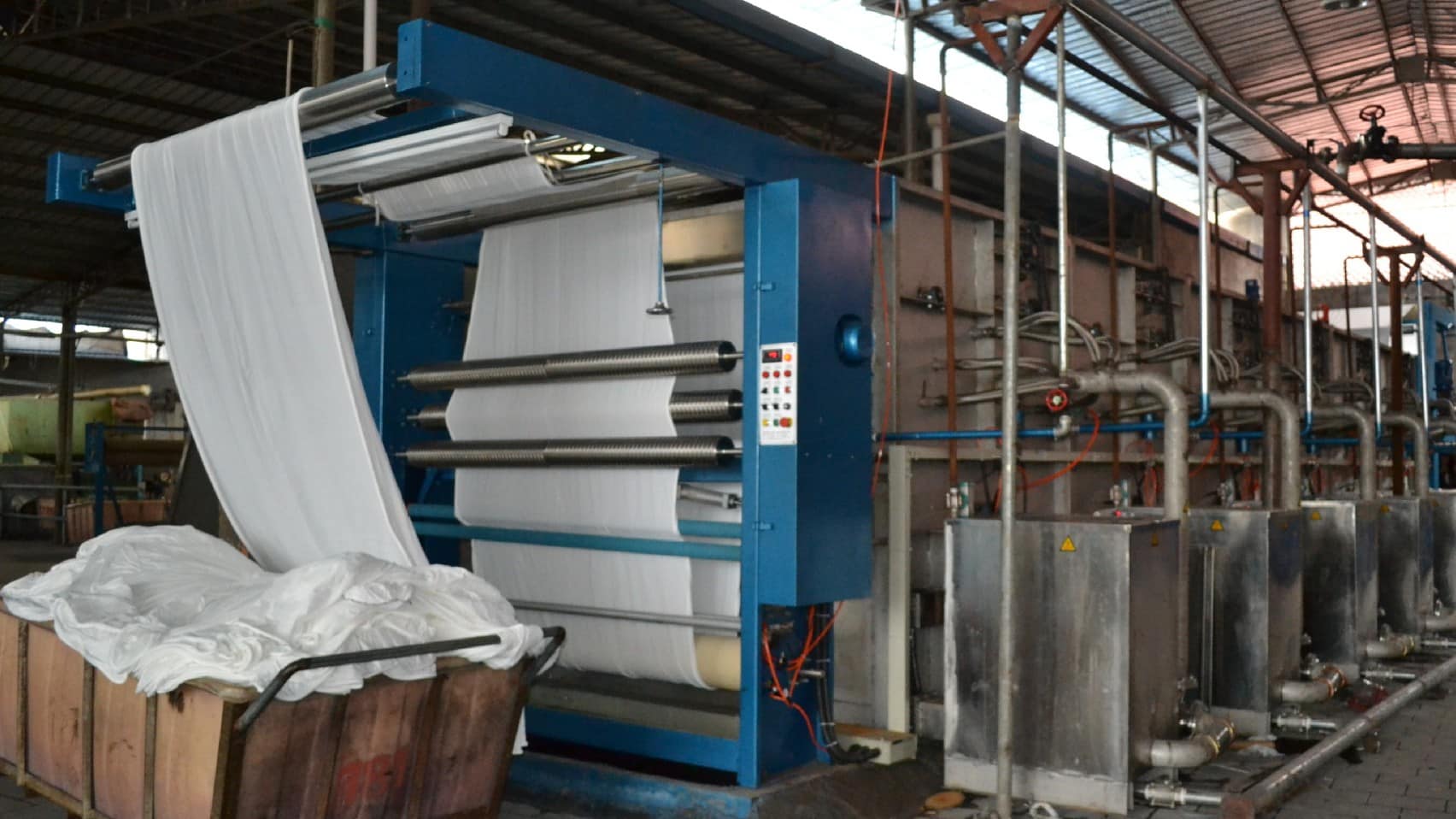
Pre-washed fabric makes your clothes better in so many ways. You avoid shrinkage that can mess up the fit—did you know that shrinkage between 2% and 5% can change how your shirt or pants feel and look? You also get softer, smoother fabric. After a few washes, roughness goes down, and your clothes feel more comfortable. Pre-washing also helps colors stay bright and removes leftover chemicals, so your new clothes feel good and look great from the beginning.
Key Takeaways
Pre-washed fabric stops shrinking. Your clothes keep their fit and shape after washing.
Washing fabric before sewing takes out extra dyes. This stops colors from fading and keeps your clothes bright for a very long time.
Pre-washing makes fabric softer by taking out stiffeners. Your clothes feel more comfortable to wear right away.
This process removes bad chemicals from new fabric. It makes your clothes safer for your skin and health.
Pre-washing lets you find problems with the fabric, like uneven shrinking or color loss, before you start sewing.
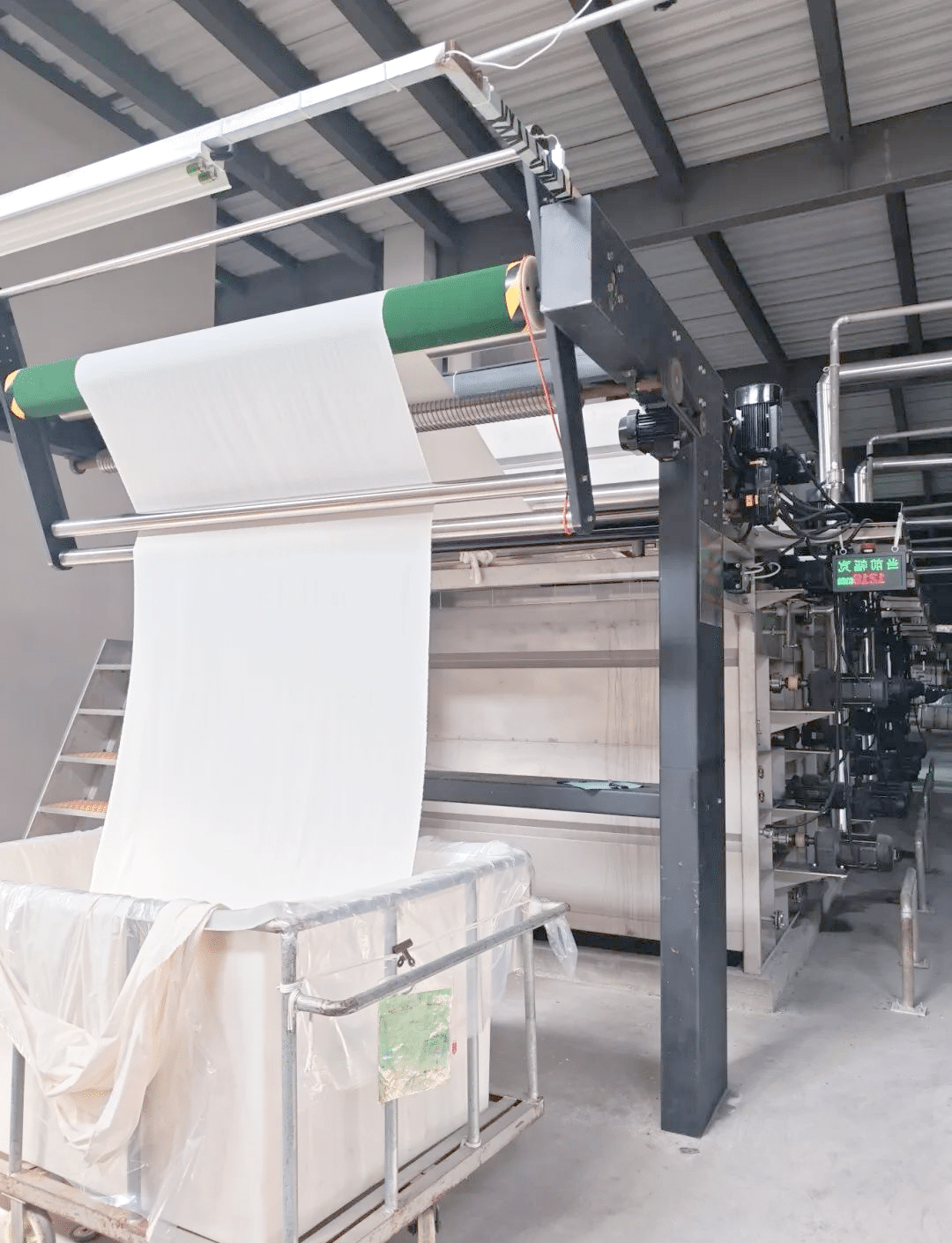
Benefits of Pre-Washed Fabric
Shrinkage Control
You want your clothes to fit well after washing. Cotton and some other fabrics shrink the first time you wash them. If you do not pre-wash, your new shirt or pants might get too small. Pre-washed fabric helps stop this from happening. Pre-washing lets the fabric shrink before it becomes clothing. This helps your clothes keep their shape and size.
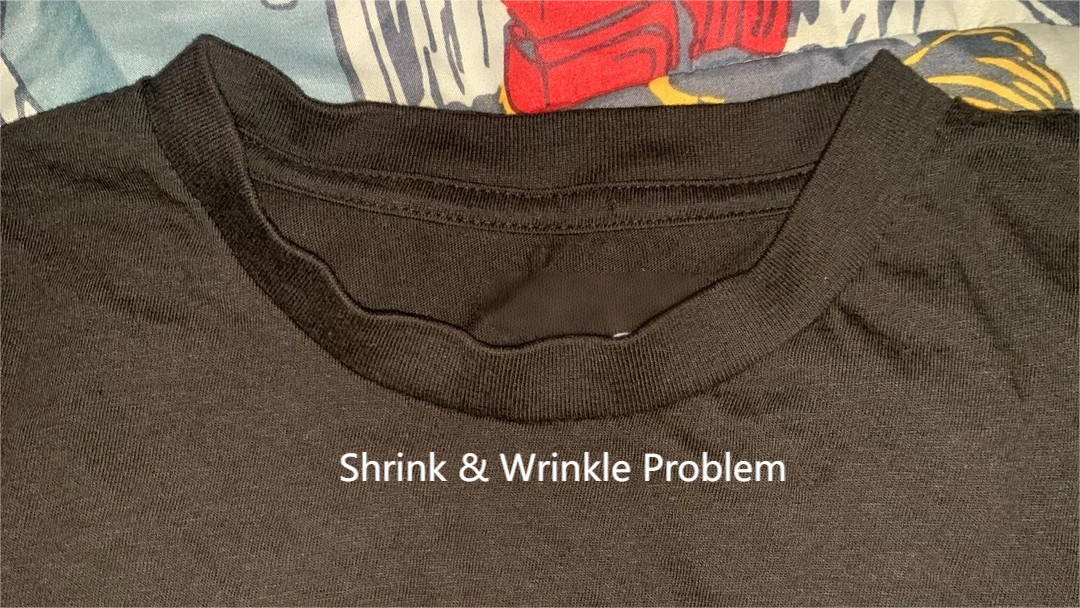
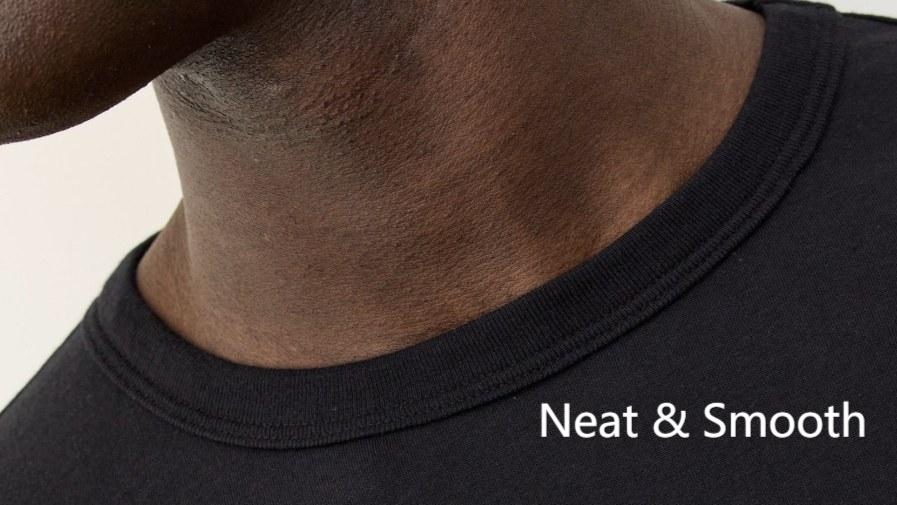
Using pre-shrunk, sanforized, or compacted fabrics helps stop shrinkage.
Controlling shrinkage is important for making good clothes.
There are tests like AATCC 135 and ISO 6330 that check fabric changes after washing.
Pre-washed fabric makes a big difference in shrinkage:
Crossgrain shrinkage goes down by 4.5%
If you use 100% cotton, you will see these changes the most. Cotton shrinks a lot, so pre-washing really helps.
Color Retention
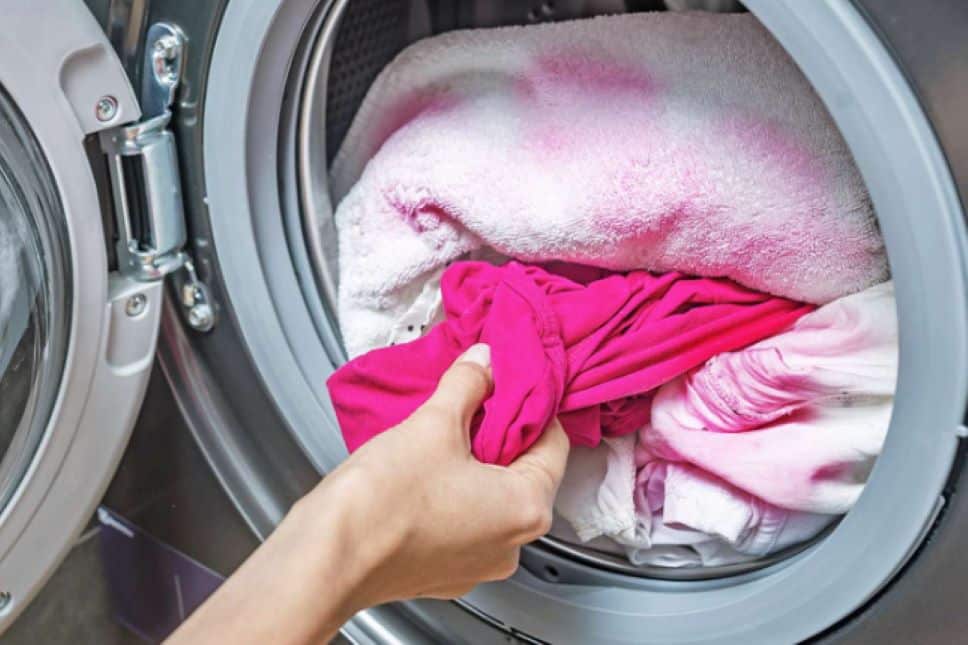
Have you ever washed a new red shirt and your socks turned pink? This happens because new fabric has extra dye that comes out in the wash. Pre-washing removes these dyes, so your clothes keep their color and do not stain other things.
New fabric has extra dyes and sizing that can bleed.
Pre-washing gets rid of these dyes and lowers the chance of stains.
Washing fabric before sewing shows you how it really looks and feels.
Pre-washing keeps the fabric stable, so seams do not move or shrink.
It helps the fibers relax, so colors stay bright and even.
You can check for color bleeding or fading before you sew.
Pre-washing helps you find problems like uneven shrinking or color loss early.
If you want your cotton clothes to look nice after many washes, pre-washing is needed. This is one of the best reasons to pre-wash.
Texture and Softness
No one likes rough clothes. Pre-washing fabric makes it softer and nicer to wear. Pre-washing takes away stiffeners and treatments that make new fabric feel rough.
A study by Sebastian et al. used junction rupture force value (JRF) to measure softness. The study found that pre-washing made fabric softer by removing treatment agents. Inoue et al. also found that fabric softeners made fabric feel better, so pre-washing helps fabric feel nicer.
Cotton fabric feels much softer after you wash it. Your clothes will feel gentle on your skin right away.
Chemical Removal
New fabric often has chemicals to make it look nice in stores. These chemicals can bother your skin or cause health problems if you do not wash them out. Pre-washing removes many of these harmful chemicals, so your clothes are safer.
Chemical | Health Impact |
|---|---|
Formaldehyde | Can bother your nose and throat; linked to cancer, headaches, and skin problems. |
Perfluorinated Chemicals (PFCs) | Linked to cancer, hormone problems, and other health issues. |
Polybrominated Diphenyl Ethers | May raise risk for ADHD; can hurt thyroid, liver, and brain. |
Bisphenol A (BPA) | May cause hormone problems and infertility; acts like estrogen. |
Lead | Can hurt the brain and cause behavior problems in kids. |
Phthalates | Can affect hormones; may raise risk of asthma in children. |
Chromium Salts | Can hurt blood; may cause cancer and gene changes. |
Azo Dyes | Linked to cancer, gene changes, and skin or eye problems. |
Pre-washing helps protect you and your family. Your clothes will also smell and feel fresher. This is very important for people with sensitive skin.
Why Pre-Washing Your Fabric Matters
Preventing Dye Bleeding
You probably love bright, bold colors in your clothes. But have you ever noticed colors running in the wash? That's dye bleeding, and it can ruin your favorite outfits. When you pre-wash fabric, you wash away extra dye that didn't set during manufacturing. This step keeps your colors from bleeding onto other clothes or fading too soon.
Pre-washing fabric several times until the water runs clear removes loose dye.
This process helps set the dye, so your clothes keep their color.
You avoid color transfer, which is especially important if you mix light and dark fabrics.
Tip: If you see color in the rinse water, keep washing until it's clear. This means you’ve removed most of the loose dye.
You also get rid of dust and dirt that may have collected during shipping. Clean fabric is easier to work with and safer for your skin.
Improving Drape and Fit
You want your clothes to look good and feel comfortable. Pre-washing helps fabric settle into its true shape and size. This step lets the material stabilize, so you know exactly how it will behave when you sew it.
When you skip pre-washing, your finished garment might shrink or change shape after the first wash. That can mess up the fit and make your clothes look odd. Pre-washing stops this problem before it starts. Your clothes will drape better and fit just right.
Identifying Grainlines
Cutting fabric along the correct grainline is key for making clothes that hang well. The grainline shows the direction of the woven threads. Pre-washing shrinks the fabric and removes chemicals, so you can see the grainline more clearly.
The lengthwise grain gives stability, perfect for vertical seams.
The crosswise grain offers a bit of stretch, great for comfort.
The bias grain stretches the most, ideal for flowy designs.
When you find and follow the grainline, your clothes will move with you and keep their shape. Pre-washing makes this step much easier and more accurate.
Pre-Washing Your Fabric: Step-by-Step
Preparation and Sorting
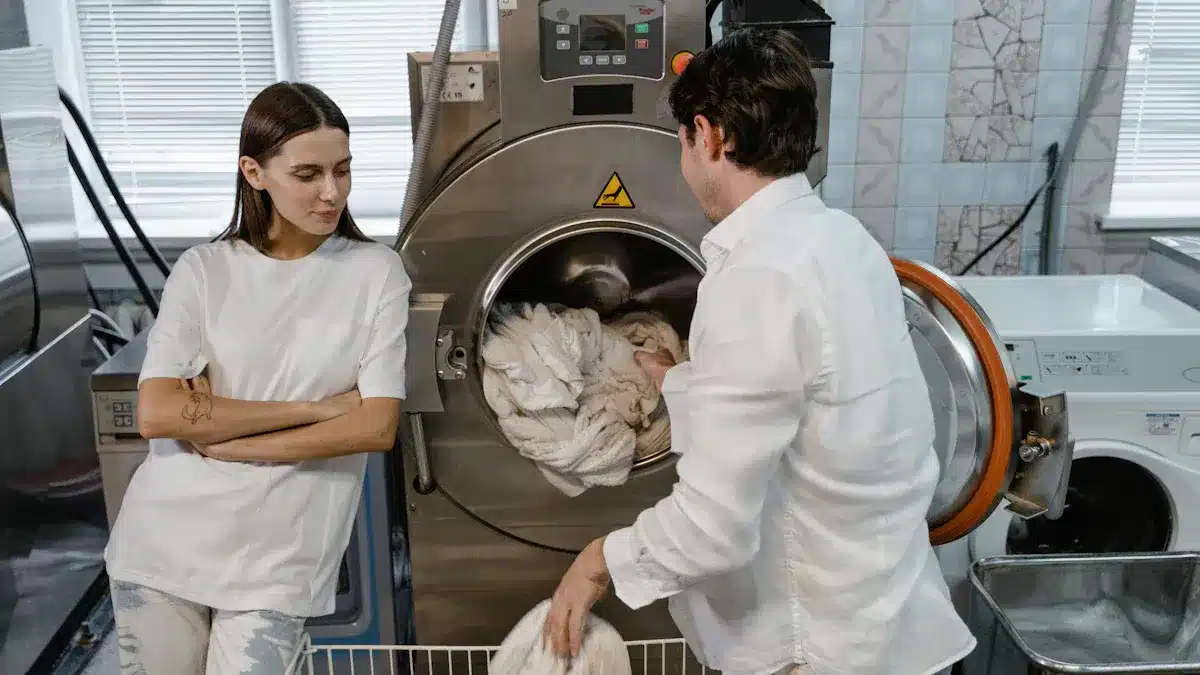
Start by checking the care label on your fabric. This label tells you how to wash it safely. Before you do anything else, test for colorfastness. Dampen a white cloth and press it on a hidden spot. If color comes off, wash that fabric separately. Next, sort your fabrics. Keep dark and light colors apart to avoid color bleeding. Sort by weight, too—delicate fabrics need gentle care and shouldn't mix with heavy ones. Look for stains and treat them with a stain remover. Let it sit for about 10 minutes before washing. Always buy extra fabric to cover any shrinkage that happens during pre-washing your fabric.
Washing and Drying
Choose the right washing method for your fabric. Here's a quick guide:
Fabric Type | Washing Method | Drying Method | Ironing Temperature |
|---|---|---|---|
Cotton | Hand or machine wash; hot for white, cold for colored | Tumble dry | High temperature |
Linen | Machine wash; cooler setting | Air dry or medium heat | Medium to high heat |
Wool | Dry clean only; some can be hand washed | Lay flat to dry | N/A |
Synthetic | Wash in cold water | Air dry or low heat | N/A |
Use cold water to help prevent shrinkage and color loss. Don't overload the washer. Pick the right cycle for your fabric type. Use a good detergent that matches your fabric. Limit drying time and try air drying when you can. If you use a dryer, set it to low and take the fabric out before it's fully dry. Remember to buy extra fabric so you have enough after any shrinkage.
Post-Wash Handling
After washing, handle your fabric with care. For cotton, shake it out and line dry to keep it smooth. Linen likes to air dry, and you can dampen it before ironing for best results. Wool needs to lay flat and you can use steam to shrink it before cutting. Silk should be hand washed and line dried. Always pre-wash fabric more thoroughly than you plan to wash the finished garment. This step helps you avoid surprises later and keeps your clothes looking great.
Tip: Pre-washing fabric is a simple way to make sure your clothes fit well and last longer.
Impact on Clothing Quality
Fit and Longevity
You want clothes that fit well and last long. Pre-washed fabric helps with both. This fabric has already been washed before you use it. It will not shrink much later. Your shirt or dress will keep its shape after many washes. You do not need to worry about jeans getting tight or shirts getting short.
Here are some ways pre-washed fabric helps:
It keeps your clothes the same size and shape.
It stops seams from bunching or twisting.
It helps your clothes look new for a longer time.
If you sew at home, your patterns will stay the same. If you buy clothes, they will fit better for longer. You save money because you do not need to buy new clothes as often.
Comfort and Safety
You want your clothes to feel nice and be safe for your skin. Pre-washed fabric makes this happen. Washing takes away rough stuff and extra chemicals that can bother your skin. Your clothes feel softer and smoother right away.
Washing is important for keeping fabric comfy and safe. Clothes should protect you but also feel good and not hurt your health or the environment.
Some new fabrics have chemicals that can cause skin problems. These chemicals can move from the fabric to your skin, especially if you wear the clothes for a long time.
Your skin protects you from things outside, but wearing clothes with chemicals for a long time can cause problems. Chemicals like benzothiazole can get through your skin and into your body. One study showed a flame retardant moved from kids’ pajamas to their skin, and it was found in their urine. Other studies showed benzothiazole can leave fabric and go through skin-like layers, which means unwashed fabric can cause skin rashes and allergies.
When you pick pre-washed fabric, you lower the chance of rashes or allergies. Your clothes will feel better all day. Your skin will be happy, and you will feel more comfortable.
You can make clothes better by pre-washing fabric first. This step helps stop shrinking, keeps colors bright, and makes fabric softer and safer. Look at the table below for quick facts:
Benefit | Description |
|---|---|
Reduction of Shrinkage | Pre-shrinking cuts shrinkage to about 4-6%. This helps fabric keep its size and shape. |
Improved Fit | Washing clothes removes extra starch and chemicals. This helps clothes fit better. |
Enhanced Texture | Using fabric softeners during washing makes fabric smoother and softer. |
Overall Comfort | Softer fabric lets you move easily and feel more comfortable. Clothes will not feel stiff. |
FAQ
How much fabric should you buy to allow for shrinkage?
You should buy a little extra—about 5%-10% more than your pattern needs. This covers any shrinkage that happens during pre-washing. It also gives you a safety margin if you make a mistake while cutting.
Do you need to pre-wash all types of fabric?
Most fabrics need pre-washing, especially cotton, linen, and rayon. You can skip pre-washing for dry-clean-only fabrics or those labeled "pre-shrunk".
Can you use fabric softener when pre-washing?
Yes, you can use fabric softener. It helps make the fabric feel softer and reduces static. If you have sensitive skin, try an unscented or hypoallergenic option.
What if your fabric frays during pre-washing?
Tip: Finish the raw edges with a zigzag stitch or use pinking shears before washing. This helps stop fraying and keeps your fabric in good shape.
Should you iron fabric after pre-washing?
You should iron your fabric after pre-washing. This step smooths out wrinkles and makes cutting easier. Use the right heat setting for your fabric type.