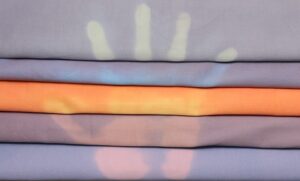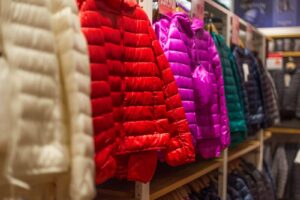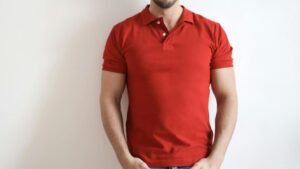
Synthetic fibers are the foundation of modern textiles. Without them, today’s industries of apparel, home textiles, outdoor gear, and sportswear would look very different.
Many people still think synthetic fabrics are cheap, non-breathable, or uncomfortable. In reality, modern synthetic fibers have evolved significantly. Today they can be high-performance, functional, lightweight, and comfortable, making them essential materials in modern clothing.
Among the many synthetic fibers used in textiles, four stand out as the most important:
Polyester, Nylon, Acrylic, and Spandex.
Understanding these four fibers will help you understand a large portion of the fabrics used in modern clothing.
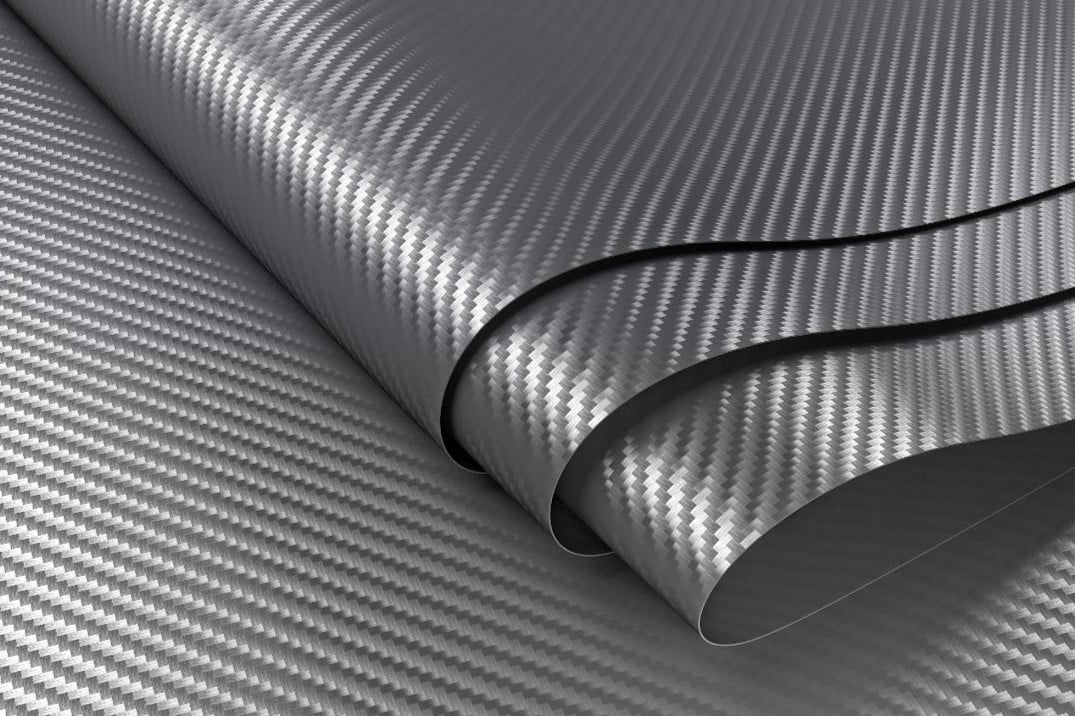
1. Polyester (Polyester Fiber) — The Most Widely Used Textile Fiber
Polyester is the most widely produced synthetic fiber in the global textile industry. It is commonly used in outdoor apparel, sportswear, and everyday clothing.
Advantages
- High strength and strong abrasion resistance
- Maintains shape and resists deformation
- Wrinkle-resistant and easy to maintain
- Affordable and easy to dye
- Easily engineered into functional fabrics such as:
- moisture-wicking fabrics
- quick-dry fabrics
- water-repellent materials
Disadvantages
- Basic polyester fabrics may have moderate breathability
- Static electricity can occur in dry conditions
- Some fabrics may pill depending on yarn quality and construction
Typical Applications
- Jackets and outerwear
- Sportswear and athletic clothing
- School uniforms
- Home textiles
- Fabric linings
- Down jacket shells
In short: Polyester is the most versatile and cost-effective synthetic fiber in modern textiles.
2. Nylon (Polyamide Fiber) — The Most Durable Synthetic Fiber
Nylon, also known as polyamide, is known for its exceptional durability and smooth texture. It is widely used in outdoor apparel, performance clothing, and technical fabrics.
Advantages
- Extremely high abrasion resistance
- Lightweight but very strong
- Smooth and soft hand feel
- Excellent elasticity
- Better skin comfort than polyester
Disadvantages
- Strength can slightly decrease when wet
- Can wrinkle more easily than polyester
- Static electricity may occur
Typical Applications
- Stockings and hosiery
- Underwear and lingerie
- Compression sportswear
- Outdoor fabrics
- Bags and backpacks
- Tents and technical gear
- Socks
In short: Nylon is the best choice for durability, elasticity, and lightweight performance, especially in outdoor gear and close-fitting garments.
3. Acrylic — The Affordable Alternative to Wool
Acrylic fiber is often called “synthetic wool.” It is designed to imitate the softness and warmth of natural wool while being lighter and easier to maintain.
Advantages
- Soft and fluffy texture
- Warmth similar to wool
- Lightweight and comfortable
- Resistant to insects and mildew
- Good sunlight resistance
Disadvantages
- Can pill easily
- Static electricity may occur
- Lower moisture absorption compared to natural fibers
Typical Applications
- Sweaters
- Knitwear
- Blankets
- Curtains
- Plush fabrics
In short: Acrylic is a cost-effective alternative to wool, commonly used in knitwear and home textiles.
4. Spandex (Elastane) — The Essential Fiber for Stretch
Spandex, also known as elastane or Lycra, is the key fiber used to create stretchable fabrics.
Advantages
- Extremely high elasticity
- Can stretch 5–7 times its original length and recover quickly
- Comfortable and flexible when worn
- Excellent shape recovery
Disadvantages
- Rarely used alone; usually blended with other fibers
- Sensitive to high temperatures
- Chlorine can damage the fiber
Typical Applications
- Underwear and lingerie
- Jeans and denim fabrics
- Yoga wear and sportswear
- Swimwear
- Leggings and base layers
- Tailored garments
In short: Almost every stretchable garment contains spandex.
Quick Comparison of the Four Fibers
| Fiber | Key Features | Common Uses |
|---|---|---|
| Polyester | Affordable, wrinkle-resistant, easy care | Jackets, sportswear, home textiles |
| Nylon | Durable, smooth, elastic | Outdoor gear, hosiery, underwear |
| Acrylic | Soft, warm, wool-like | Sweaters, blankets, knitwear |
| Spandex | Extremely elastic | Stretch clothing and activewear |
How to Choose Fabrics for Outdoor Apparel and Sportswear
Choosing the right fabric is critical when designing or buying outdoor apparel and sportswear. Performance clothing must balance comfort, durability, breathability, and flexibility to support movement and changing weather conditions.
1. Consider Breathability and Moisture Management
For active sports and outdoor activities, fabrics should keep the body dry and comfortable.
Key features include:
- Moisture-wicking fabrics that move sweat away from the skin
- Quick-dry materials that dry faster than cotton
- Lightweight fabrics that allow airflow
Polyester and nylon are commonly used in sportswear fabrics because they can be engineered to improve moisture management and ventilation.
2. Focus on Durability and Abrasion Resistance
Outdoor environments can be demanding on clothing. Fabrics must withstand friction, stretching, and frequent washing.
For high durability, consider:
- Nylon fabrics with excellent abrasion resistance
- Reinforced polyester fabrics used in jackets and outdoor gear
- Ripstop constructions that help prevent tearing
These materials are widely used in hiking apparel, climbing gear, and trail running clothing.
3. Look for Stretch and Freedom of Movement
Athletic clothing must allow unrestricted movement. Stretch fabrics greatly improve comfort and performance.
Most modern performance garments include spandex (elastane) blended with other fibers such as polyester or nylon. This combination provides:
- flexibility
- shape retention
- improved fit
This is why yoga wear, compression garments, and running apparel often contain spandex.
4. Consider Weather Protection
Outdoor clothing must also handle environmental conditions such as rain, wind, and cold temperatures.
Performance fabrics may include:
- Water-repellent finishes
- Wind-resistant materials
- Insulating fabrics for cold climates
Polyester and nylon fabrics are commonly treated with coatings or membranes to improve weather resistance in outdoor apparel.
5. Balance Performance and Comfort
The best outdoor apparel fabrics combine durability, moisture control, flexibility, and comfort. Because of this, blended fabrics are widely used in modern sportswear.
Examples include:
- Polyester + Spandex → stretch performance wear
- Nylon + Spandex → compression and activewear
- Polyester blends → lightweight outdoor jackets
Understanding how different fibers perform helps designers and consumers choose the most suitable performance textiles for outdoor activities and sportswear.
Frequently Asked Questions About Synthetic Fibers
What are synthetic fibers in textiles?
Synthetic fibers are man-made textile fibers produced through chemical processes. The most common examples include polyester, nylon, acrylic, and spandex. These fibers are widely used in modern apparel, outdoor clothing, sportswear, and home textiles because they offer durability, flexibility, and performance features.
What is the difference between polyester and nylon?
Both polyester and nylon are popular synthetic fibers, but they have different strengths.
- Polyester is affordable, wrinkle-resistant, and easy to maintain.
- Nylon is stronger and more abrasion-resistant, making it ideal for outdoor gear and performance clothing.
Why is spandex used in sportswear?
Spandex provides exceptional elasticity and can stretch five to seven times its original length. When blended with polyester or nylon, it allows sportswear such as yoga pants and compression garments to provide flexibility, comfort, and a close fit.
Is acrylic a good alternative to wool?
Yes. Acrylic mimics the softness and warmth of wool while being lighter and easier to maintain. It is commonly used in sweaters, knitwear, blankets, and plush fabrics.
What fabrics are best for outdoor apparel?
Outdoor apparel commonly uses polyester for moisture-wicking performance, nylon for durability and abrasion resistance, and blends with spandex for stretch and comfort.
Conclusion
Most modern garments are made from fiber blends rather than a single material. Common combinations include:
- Polyester + Spandex → wrinkle resistance with stretch
- Nylon + Spandex → smooth, close-fitting performance fabrics
- Cotton + Polyester + Spandex → comfort with durability and easy care
By understanding these four key synthetic fibers—polyester, nylon, acrylic, and spandex—you can better read fabric labels, choose the right clothing materials, and make smarter decisions when designing or purchasing garments.